Start Here
Know the Bay
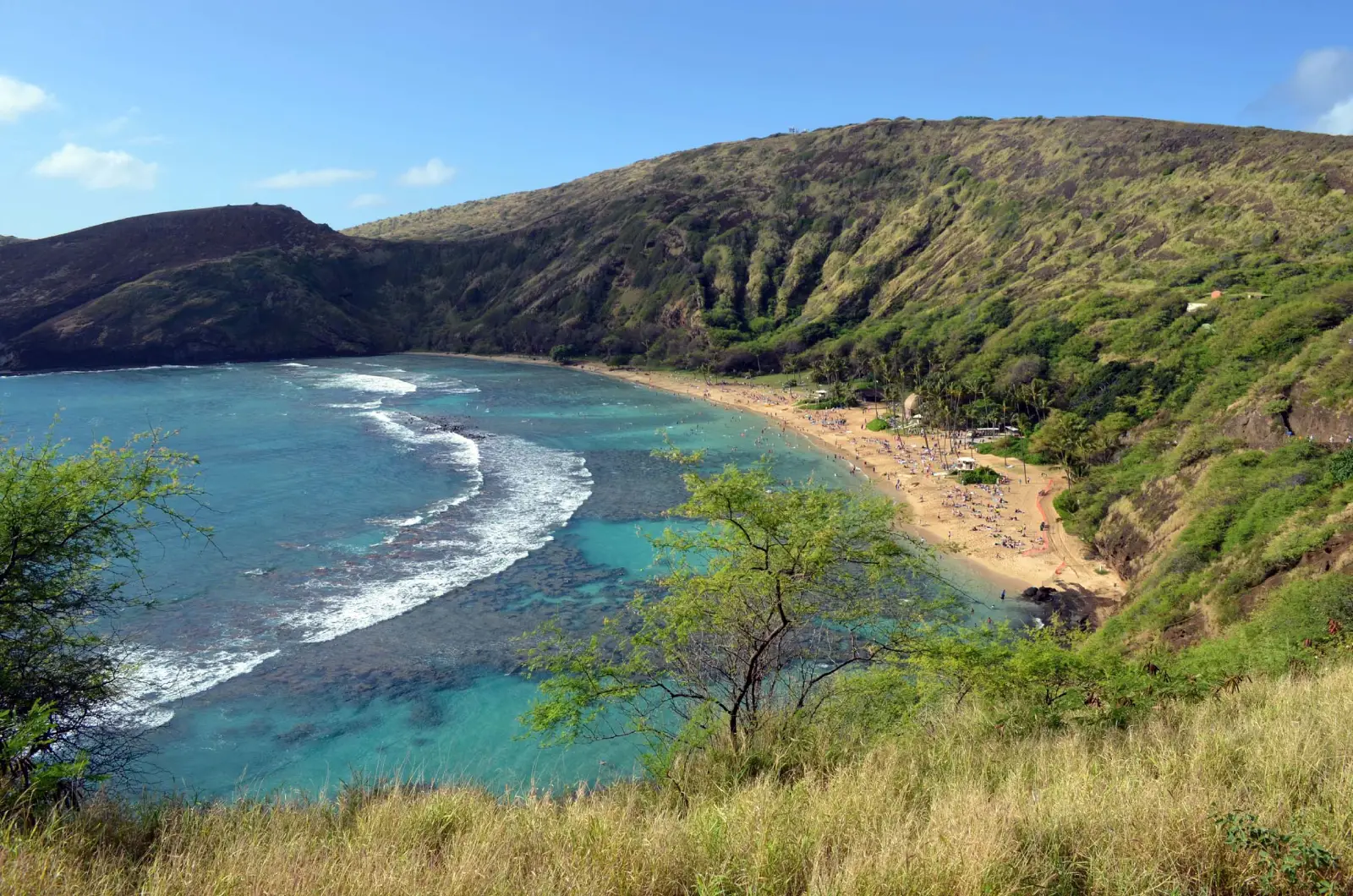
Hanauma Bay has a shallow fringing reef close to the beach, several sandy-bottomed areas, and abundant fish along reef edges.
The protected crater setting can make near-shore snorkeling more approachable than exposed beaches when conditions are calm. It does not remove normal ocean risks. Water movement, channels, shallow coral, fatigue, and reduced visibility still matter.
Enter from sand, practice breathing in water where you can comfortably stand, then float over a shallow area without crossing your ability limit.
First Time
Good for Beginners?
Yes, on a calm day and in the right area. The easiest mistake is assuming the whole bay is beginner water. The outer bay, channels, and exposed edges demand more experience.
Good Fit
Comfortable swimmers who can breathe through a snorkel, clear a mask, float calmly, and return to shore without assistance.
Use Caution
Weak swimmers, very young children, anyone anxious in open water, or visitors relying on flotation without close supervision.
Stay Close
Start within an easy return distance. Do not follow fish or other snorkelers farther than planned.
Exit Early
Leave the water when breathing becomes hard, fins cramp, visibility drops, or waves begin moving you toward reef.
Water Entry
Where to Start
The safest entry is a sandy opening rather than walking across reef. Conditions and staff directions should decide where you enter on the day.
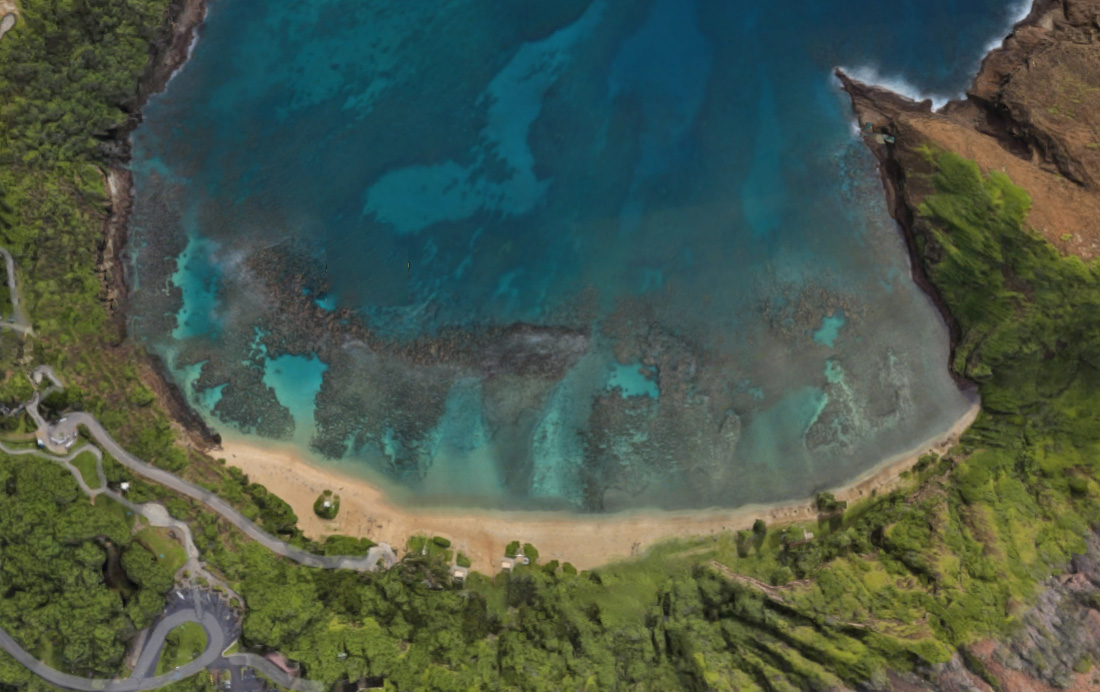
State guidance specifically warns about Witches’ Brew, Toilet Bowl, the central channel, and the Moloka’i Express current during rough or ebb-tide conditions.
Underwater
What You May See
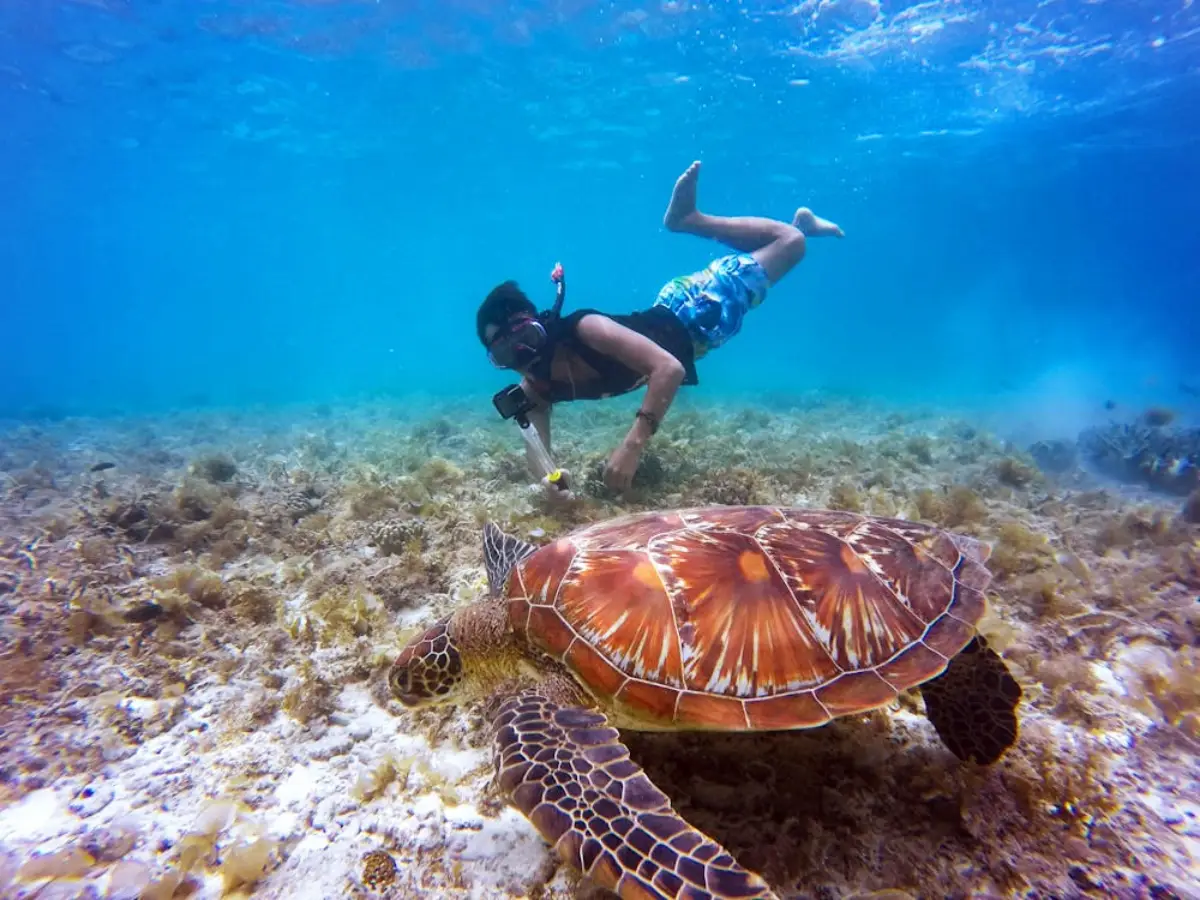
Fish are often most active and easiest to see along reef edges around sandy areas. Turtles are fairly common in the bay, but no animal sighting is guaranteed.
Never touch, chase, block, feed, collect, or move marine life. Give animals a clear path to swim away.
Equipment
Choose Your Gear
Mask
A well-fitting mask matters more than premium branding. Test the seal before entering the water.
Snorkel
Practice slow breathing in shallow water. Leave immediately if breathing feels restricted or panicked.
Fins
Use controlled kicks and keep your feet above reef. Remove fins only after reaching sand.
Sun Protection
A rash guard and hat reduce how much sunscreen you need. Follow posted sunscreen guidance.
The existing page states that snorkel gear is available near beach level. Verify current rental operations before relying on onsite equipment, and bring your own gear when fit is important.
Ocean Safety
Watch These Hazards
The four safety signs below are the same images used on the current page. Follow posted warnings and lifeguard instructions even when the beach looks calm.
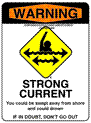 Strong CurrentChannels can pull swimmers away from shallow water.
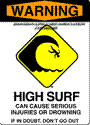 High SurfIncreasing waves can change an easy entry into a difficult exit.
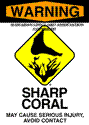 Sharp CoralDo not walk, kneel, or place hands on reef.
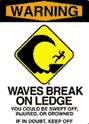 Waves on LedgeWave-cut benches are dangerous during big surf.
Watch waves, drifting snorkelers, visibility, and posted signs before entering.
Inexperienced snorkelers should not enter alone. Stay close enough to help each other.
Checking direction prevents unnoticed drift while you are watching fish below.
Return to a sandy area or shore. Never stand on reef to recover.
Marine Preserve
Protect the Reef
Hanauma Bay became Hawai’i’s first Marine Life Conservation District in 1967. State rules prohibit taking or injuring marine life, removing sand or coral, feeding animals, and operating watercraft inside the district.
Do Not Stand
Coral and reef organisms can be damaged by a single footstep or fin strike.
Do Not Feed
Feeding changes natural behavior and is prohibited inside the conservation district.
Take Nothing
Leave shells, sand, coral, rocks, and living organisms where they are.
Give Space
NOAA recommends at least 10 feet from sea turtles in Hawai’i, on land and in water.
Better Conditions
Go Early
Official state guidance says visibility is usually best early in the day and at low tide, before sediment is stirred up by swimmers. Earlier visits can also provide more time to evaluate conditions and avoid a rushed exit.
Early Morning
Often the best balance of visibility, cooler weather, parking flexibility, and available beach time.
Late Morning
Brighter light may help underwater viewing, but wind and beach activity can increase.
Afternoon
Less time remains before the beach clears at 3:30 p.m. Conditions may also be less settled.
Any Time
Posted warnings, lifeguard directions, and actual water conditions take priority over a general timetable.
Choose Your Visit
Self-Guided or Tour?
| Option | Best For | What You Manage |
|---|---|---|
| Self-guided | Comfortable swimmers with their own gear and transport | Reservation, parking, equipment, water decisions, and timing |
| Transport tour | Waikiki visitors who want simpler travel | Check whether admission and gear are included |
| Guided snorkeling | Beginners who want instruction or support | Confirm guide credentials, location, transport, and exact inclusions |
A tour does not automatically mean admission, parking, snorkel gear, or in-water guidance are all included.
Quick Answers
FAQs
Is Hanauma Bay good for beginners?
It can be beginner-friendly in calm near-shore conditions. Beginners should stay close to sand, use a buddy, and remain within their swimming ability.
Where should beginners enter?
Use a sandy opening instead of walking over reef. Start where you can comfortably practice mask fit and breathing.
What fish can I see?
Visitors may see many tropical reef fish, including tangs, butterflyfish, wrasses, parrotfish, and goatfish. Species and visibility vary.
Will I see a sea turtle?
Possibly, but sightings are never guaranteed. Stay at least 10 feet away and never chase or block a turtle.
Can I stand on coral?
No. Return to sand if you need to stand, adjust gear, or rest.
Is the outer bay safe for beginners?
No. Official state guidance recommends the outer bay only for experienced divers and warns of strong currents near the bay mouth.
Are lifeguards present?
State visitor guidance says lifeguards are on duty year-round. Their instructions and posted warnings should always be followed.
Can I rent snorkel gear?
The existing page states that gear rental is available near beach level. Verify current availability before relying on it.
Keep Planning