Arrive and Check In
Show your reservation or qualifying identification, then complete any required entry and parking payments.
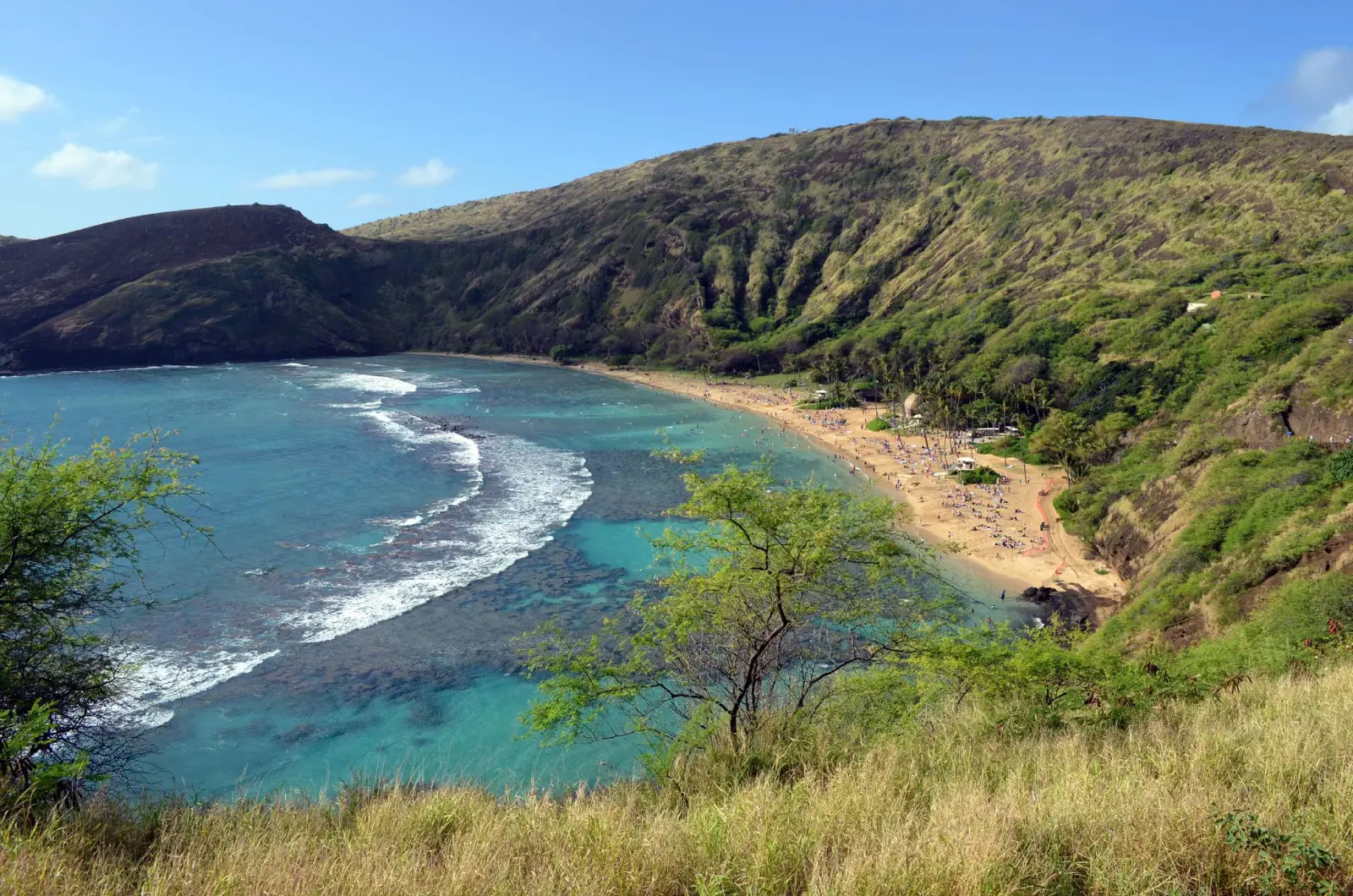
Plan reservations, parking, fees, snorkeling, and a smoother visit to O’ahu’s protected volcanic bay.
Most non-resident visitors should arrange official entry before deciding when to drive, book transportation, or rent snorkeling equipment.
Online reservations normally open two days before the visit date at 7:00 a.m. Hawaii Standard Time. Popular morning times can disappear quickly, so choose your preferred date and backup time before booking opens.
A reservation gives you an entry time. It does not include parking, transportation, snorkel equipment, or a guide in the water.
Use the focused pages below instead of trying to solve admission, parking, transportation, equipment, and reef rules at the same time.
Check opening days, last entry, beach clearing time, closing time, and annual holiday closures.
Check current hours ?See non-resident admission, free-entry categories, parking charges, and optional visit costs.
Review all fees ?Understand the limited visitor lot, parking fees, arrival timing, and why a reservation does not hold a stall.
Plan your arrival ?Compare driving, rideshare, permitted transportation, and travel from Waikiki or other parts of O’ahu.
Compare transportation ?Choose a time based on parking, ocean conditions, visibility, heat, crowds, and how long you want at the beach.
Choose your entry time ?Pack water, sun protection, suitable footwear, swim gear, towels, and anything you prefer not to rent.
Use the packing guide ?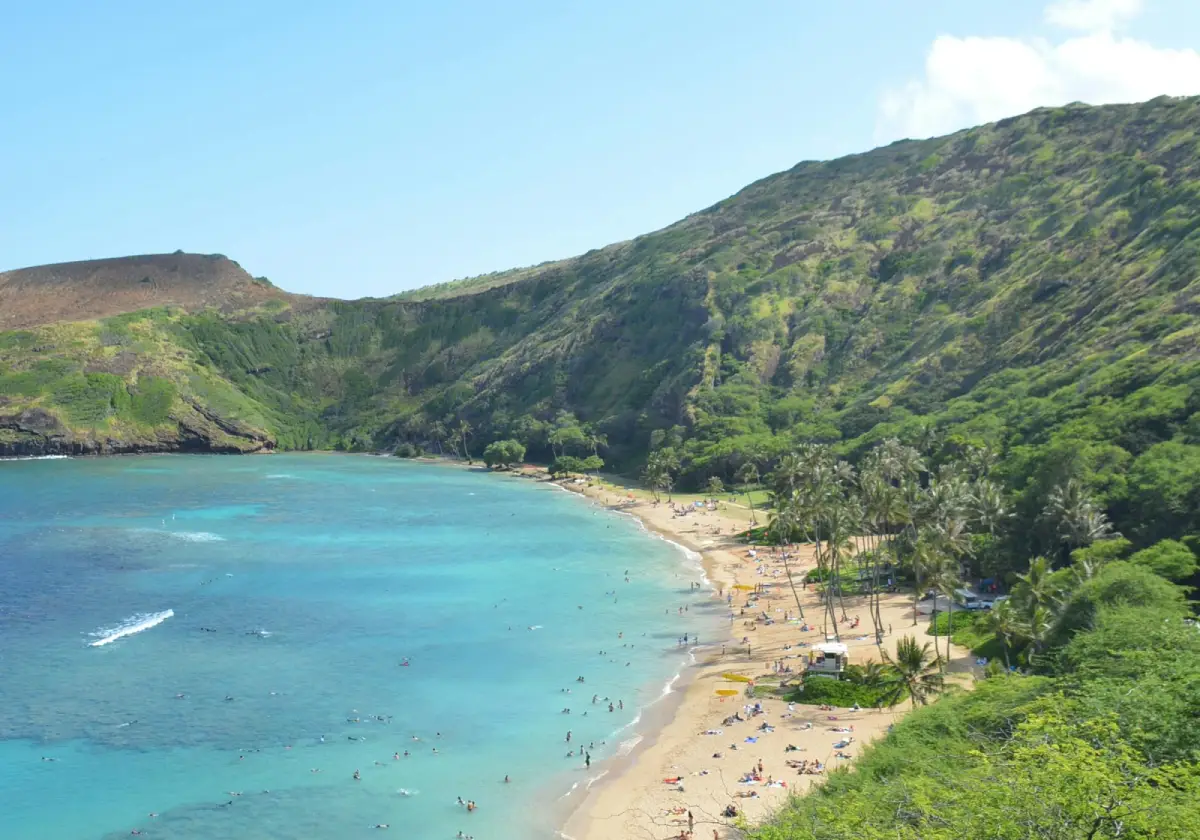
Hanauma Bay sits inside a volcanic cone on O’ahu’s southeast coast. Its curved shoreline and shallow reef create a distinctive place to observe marine life from close to shore.
That accessibility also creates pressure. Visitor limits, weekly closures, the required orientation, and reef rules help reduce damage and keep conservation at the center of the experience.
The visit feels straightforward when you know the sequence before arriving.
Show your reservation or qualifying identification, then complete any required entry and parking payments.
Incoming visitors must complete the conservation and reef-safety orientation before entering the beach area.
Use the paved access road or the tram when operating. The return uphill is the more demanding direction.
Enter from sandy areas, stay within your limits, and keep fins, hands, and feet away from the reef.
The shallow, reef-protected areas can suit beginners on calm days. You do not need to swim far offshore to begin seeing fish.
Ocean conditions still vary. Wind, waves, currents, visibility, and personal swimming ability matter more than the bay’s reputation as an easy snorkeling spot.

Fish are the main attraction, while turtles and other wildlife are possible rather than guaranteed sightings.
Butterflyfish, tangs, surgeonfish, parrotfish, wrasses, and other species move across shallow reef areas.
Explore the fish guide ?Turtles may rest or feed near reef edges. Keep your distance and never follow one for a closer photograph.
Learn turtle-viewing etiquette ?Coral forms living habitat. Look closely without standing, sitting, or placing equipment on the reef.
Understand the reef ?Hanauma Bay has more infrastructure than a remote beach, but visitors should still arrive prepared for a managed nature preserve rather than a resort.
Hanauma Bay is a living marine environment. Small actions repeated by hundreds of visitors can damage coral, disturb wildlife, and change natural fish behavior.
Move slowly, leave marine life where you find it, and treat every shallow area as possible reef habitat.
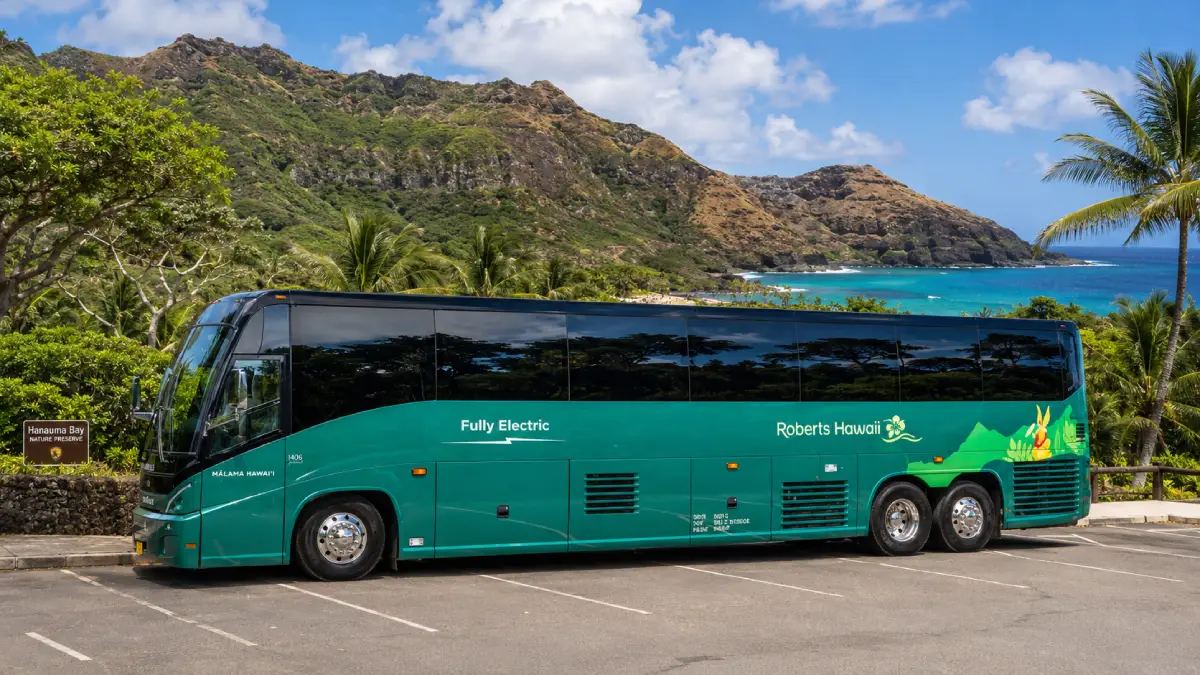
A permitted transportation or guided option may help if you are staying in Waikiki, do not have a rental car, want help with equipment, or prefer not to depend on the limited parking lot.
Tour inclusions vary. Admission, reservations, gear, transport, and in-water guidance should be checked separately before booking. Some links may be affiliate links.
The questions visitors usually need answered before they choose a date, transportation, and entry time.
View All QuestionsMost non-resident visitors should plan to book official entry before traveling to the preserve. Reservations normally open two days ahead at 7:00 a.m. Hawaii Standard Time. Read the complete reservation guide.
No. Parking is separate, limited, and not guaranteed by an online entry reservation. The parking guide explains arrival timing and alternatives.
The preserve normally operates Wednesday through Sunday and closes on Monday and Tuesday. It also closes on Christmas Day and New Year’s Day. Check the hours guide before traveling.
The shallow reef-protected areas can suit beginners on calm days. Conditions vary, so stay within your ability, use properly fitting gear, and follow lifeguard guidance.
Yes. Depending on current operations, visitors may use rideshare, permitted transportation, or selected tours. Compare options in the transportation guide.
Many visitors plan a half day, allowing time for parking, check-in, the required orientation, beach access, snorkeling, breaks, and the return uphill.