Start Here
The Bay Is Still the Ocean
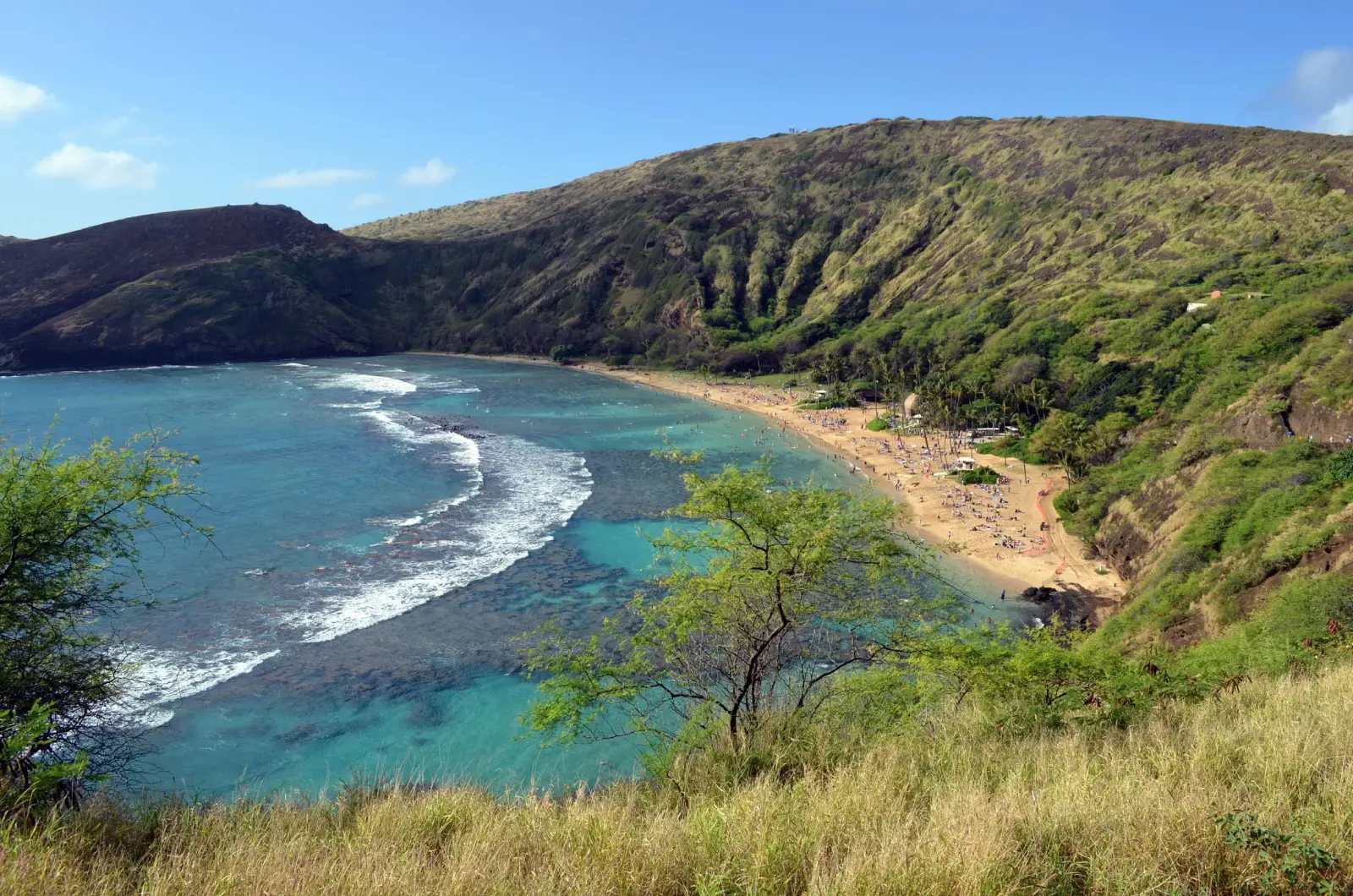
Hanauma Bay can look calm from above, but shallow reef, channels, tides, surf, and fatigue can turn a simple snorkel into an emergency.
Lifeguards are on duty year round. Speak to them before entering, especially when you are new to ocean swimming, visiting with children, or unsure about the day’s conditions.
Your reservation, schedule, or confidence level should never override posted warnings or a lifeguard’s advice.
Five-Minute Check
Before You Enter
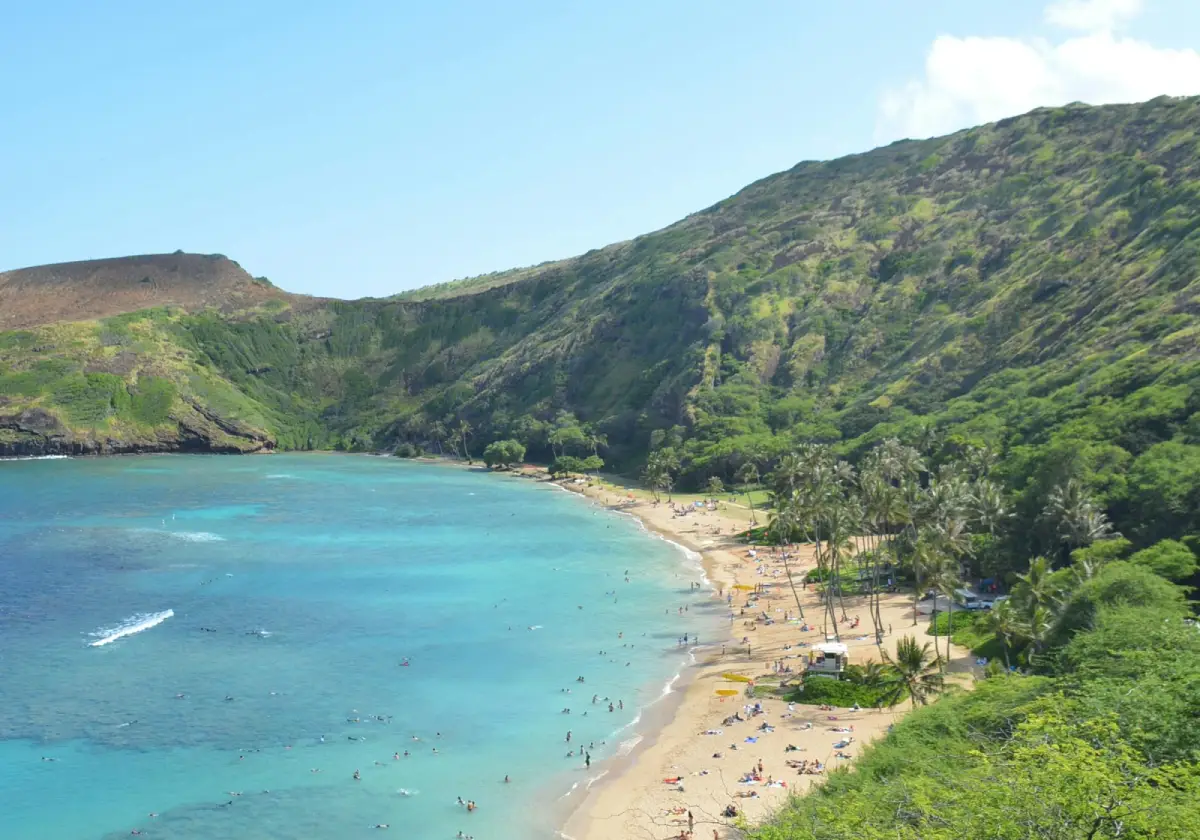
Pause at the beach and make a deliberate decision. The safest entry point and swimming limit can change from one visit to the next.
Confirm currents, surf, visibility, and areas to avoid.
Look for drift, breaking waves, surge, and swimmers struggling.
Stay close enough to notice trouble and call for help.
Do not enter when ill, exhausted, dizzy, impaired, or unable to swim confidently.
Turn around before you feel tired, cold, anxious, or breathless.
Return through a safe sandy area and avoid standing on coral.
Read the Signs
Know the Hazards
Strong Current
Water moving through reef channels can carry swimmers away from their planned route.
High Surf
Larger waves increase surge, reduce control, and can push people toward shallow reef or rock.
Sharp Coral
Coral and reef rock can cut skin. Never stand, kneel, grab, or use the reef as a rest point.
Breaking Ledge
Waves over shallow reef shelves and rock benches can knock people down or trap them against hard surfaces.
Warning signs describe real hazards, not background decoration. If a sign or lifeguard says an area is unsafe, choose another area or stay out of the water.
Do Not Explore
Areas to Avoid
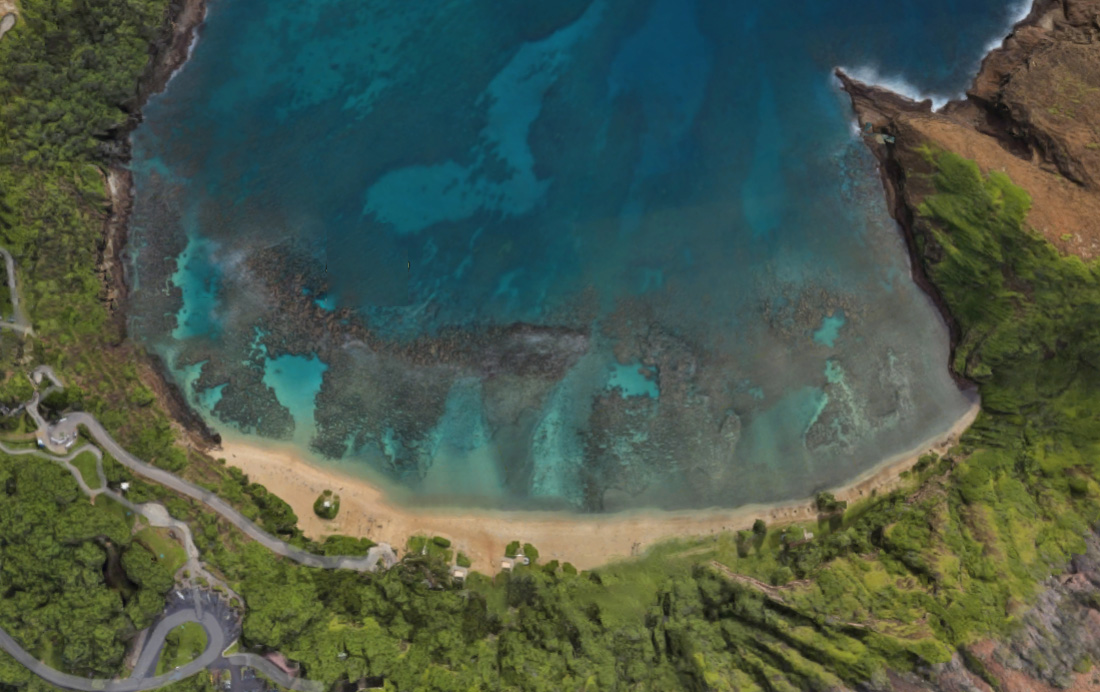
Official state guidance identifies several parts of Hanauma Bay that can become hazardous, especially during rough water or ebb tides.
Rip currents can become strong, particularly during ebb tides. Do not drift toward the bay mouth.
This current near the left side of the bay’s mouth is hazardous during ebb-tide conditions.
These rocky features are specifically identified as areas to avoid, particularly when water is rough.
Walking on exposed rock shelves is dangerous during large surf because waves can sweep people into the ocean.
State guidance recommends the outer bay only for experienced divers. It is not a beginner snorkeling zone.
These areas leave little room to float, rest, or recover when waves and surge increase.
Start Small
Beginner Safety
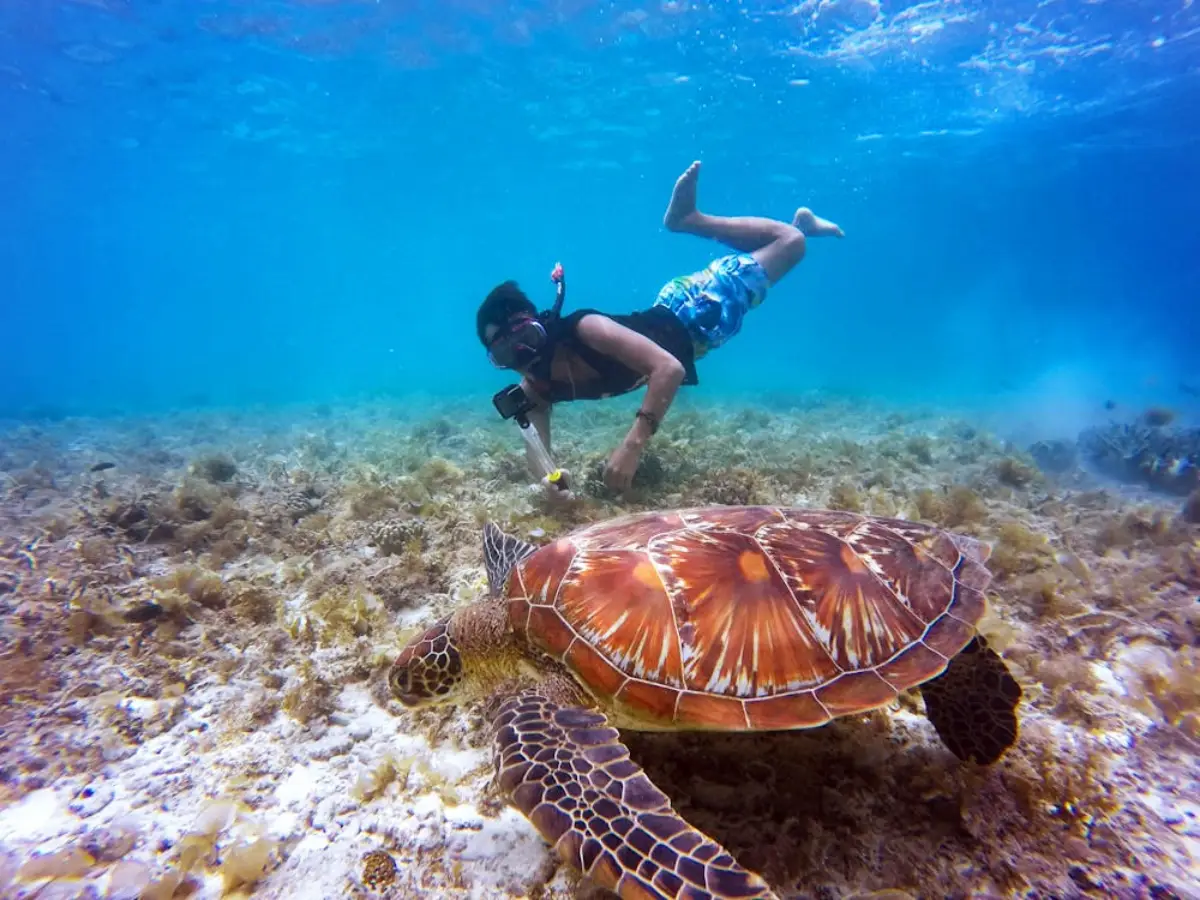
Beginners should stay in calm, near-shore water where they can return to sand quickly.
Practice breathing through the snorkel while standing or floating in very shallow water. Make sure the mask seals comfortably before moving farther out.
Float more and kick less. Hawai’i Ocean Safety recommends conserving energy and considering a flotation device made for snorkeling, such as a vest or belt.
They can make it easy to travel farther than you can safely return. Set your limit based on swimming skill, not equipment.
Monitor Yourself
Body and Gear
Fatigue
Return to shore before your legs feel heavy or your breathing becomes difficult. Exhaustion can build quickly.
Dizziness or Headache
Hawai’i Ocean Safety says these symptoms may occur with carbon dioxide buildup in snorkel gear. Leave the water and alert a lifeguard.
Mask Trouble
A leaking or fogged mask can trigger panic. Return to shallow water or shore to fix it instead of struggling offshore.
Heat and Sun
Drink water, use shade, wear sun-protective clothing, and avoid pushing through weakness or overheating.
Close Supervision
Children and Families
What Helps
One attentive adult per young or weak swimmer, shallow sandy areas, a fitted flotation aid, frequent breaks, and a clear hand signal for returning to shore.
What Is Not Enough
Being nearby on the beach, relying on fins, assuming clear water is shallow, or expecting a child to keep up with stronger swimmers.
Children must be watched continuously in and near the water. A designated adult should supervise rather than snorkel separately or focus on a phone or camera.
Current Response
If You Are in Trouble
Regulate your breathing. Panic and fast movement waste energy.
Do not keep swimming directly against a current you cannot overcome.
Float on your back or front and conserve energy while you assess the movement.
Face shore, wave, and yell clearly for lifeguard assistance.
Hawai’i Ocean Safety advises going with the flow rather than exhausting yourself against a strong current. National Weather Service guidance adds that capable swimmers may escape a rip current by moving parallel to shore, then angling back after clearing the pull.
Alert a lifeguard immediately. If no lifeguard is available, call 911 and throw the person something that floats. Do not enter without flotation and become a second victim.
Sharp Surfaces
Reef Injuries
Do not use coral or rock to rest. If a wave pushes you onto reef, protect your head, move away when safe, exit the water, and ask a lifeguard to assess any cut or scrape.
Keep hands out of holes and avoid chasing animals into tight reef spaces. Sharp coral, sea urchins, and other marine life can injure both the visitor and the habitat.
Plans Can Change
Weather and Closures
Sunny skies do not guarantee safe water. Wind, swell, tides, rain, visibility, maintenance, and emergency incidents can change access or swimming conditions.
Check live conditions on the day of your visit, read every posted sign, and follow closures immediately. Do not enter from unofficial trails or rocky coastlines when the preserve is closed.
Quick Answers
FAQs
Are there lifeguards at Hanauma Bay?
Yes. Hawai’i DLNR states that lifeguards are on duty year round. Speak to one before entering to learn the day’s hazards.
Is Hanauma Bay safe for beginners?
Near-shore areas can suit beginners on calm days, but every visitor must account for swimming ability, currents, surf, reef, fatigue, and lifeguard instructions.
Where are the strongest currents?
State guidance warns about the central channel near the telephone cables and the Moloka’i Express near the left side of the bay mouth, especially during ebb tides.
Can beginners snorkel in the outer bay?
No. State guidance recommends the outer bay only for experienced divers.
What should I do if a current pulls me?
Stay calm, conserve energy, do not fight directly against it, float, and signal for help. Follow lifeguard instructions and established current-safety guidance.
Should I stand on coral when tired?
No. Never stand, kneel, sit, or hold onto coral. Float, use a suitable flotation aid, or return to a sandy exit area.
Can children snorkel at Hanauma Bay?
Children may snorkel only within their ability and under continuous close adult supervision. Conditions and individual swimming skills matter more than age alone.
What if I feel dizzy while snorkeling?
Leave the water immediately, stop using the gear, and alert a lifeguard. Do not try to push through dizziness, confusion, headache, or breathing difficulty.
Verified Guidance
Source Notes
Keep Planning