Why It Matters
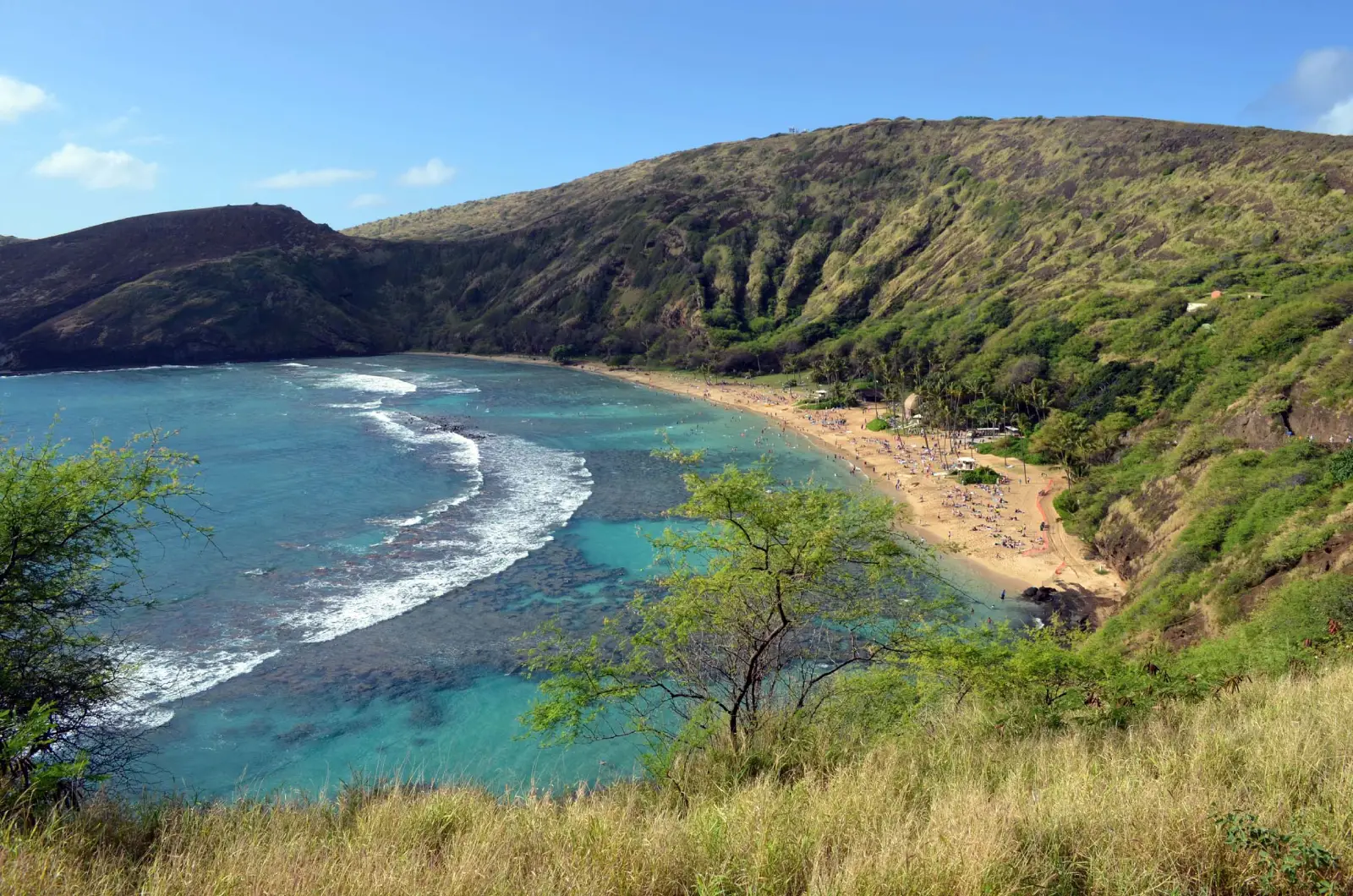
A Living Preserve
Hanauma Bay became Hawai’i’s first Marine Life Conservation District in 1967. The protected area covers 101 acres and exists to conserve and replenish marine resources.
The rules are not decorative beach etiquette. They protect fish, coral habitat, geological features, and the natural behavior of wildlife inside a heavily visited bay.
Honolulu requires visitors to complete the standard education program for each visit before descending to the beach.
State Rules
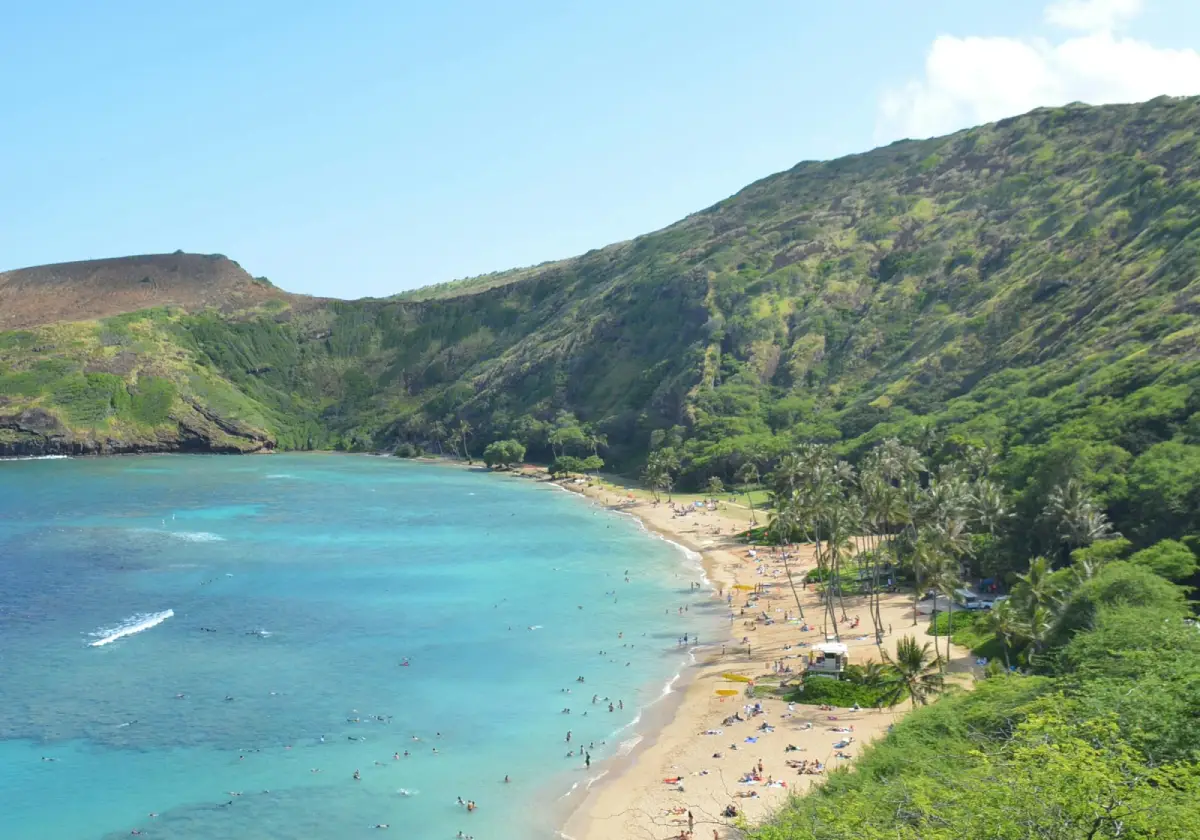
The Four Legal Rules
Hawai’i Administrative Rules for the Hanauma Bay conservation district prohibit four broad categories of activity.
Do Not Take Marine Life
Fishing, taking, or injuring marine life, including eggs, is prohibited. Devices used to take marine life are also prohibited in the water.
Do Not Alter the Reef
Do not take or alter sand, coral, or another geological feature or specimen. Equipment intended for that purpose is prohibited.
Do Not Feed Wildlife
Introducing food or another substance into the water to feed or attract marine life is prohibited.
No Watercraft
Operating watercraft inside the Hanauma Bay Marine Life Conservation District is prohibited.
The official regulations above are enforceable state rules. The practical reef behavior below explains how visitors can avoid accidental damage while snorkeling.
In the Water
Protect the Reef
Coral is living habitat. Even when a surface looks like bare rock, it may support algae, coral tissue, small animals, and young marine life.
Stand on Sand
Adjust your mask, rest, and regain balance only over a sandy bottom where standing is safe.
Control Your Fins
Use slow kicks and keep your feet away from shallow reef, especially when turning or stopping.
Float, Do Not Rest
Do not sit, kneel, or brace yourself on coral or reef rock. Return to sand before taking a break.
Leave a Clear Path
Do not surround animals or block their route to the surface, deeper water, or a resting area.
Do Not Collect
Leave coral, sand, stones, and other natural material in place. The preserve is not a souvenir source.
Carry Out Trash
Secure wrappers, bottle caps, straps, and small items before they can enter the water or blow across the beach.
Respect Wildlife
Give Animals Space
Never touch, chase, feed, block, or surround marine wildlife. Distance protects animals and lowers the chance that a close approach becomes harassment.
Let animals choose whether they remain nearby. If an animal changes direction because of you, increase the distance.
If a monk seal rests on the beach, stay behind signs or barriers and follow staff instructions. Mothers with pups need substantially more space.
Keep your distance and contact the statewide NOAA Marine Wildlife Hotline at 888-256-9840.
Sun Protection
Sunscreen Facts
The term “reef-safe” appears on many products, but it is not a guarantee that every ingredient is harmless to coral. The most accurate approach is to distinguish Hawai’i law from practical reef-conscious choices.
What Hawai’i Law Says
State law prohibits the sale, offer for sale, or distribution of sunscreen containing oxybenzone or octinoxate without a prescription. It is a sales and distribution restriction, not a rule that every visitor will be searched for sunscreen ingredients.
What Visitors Can Do
Use a rash guard, hat, and shade to reduce the amount of sunscreen needed. When choosing a product, read the active ingredients rather than relying only on a “reef-safe” label.
Putting sunscreen on before entering the preserve gives it time to settle and reduces rushed application near the water.
Follow the Ocean
Safety Comes First
Conservation rules do not replace ocean judgment. Obey lifeguards, warning signs, and closures even when the water looks calm from shore.
Stay Within Ability
The outer bay is recommended only for experienced divers. Beginners should remain in manageable near-shore water.
Avoid Hazard Areas
State guidance warns about Witches’ Brew, Toilet Bowl, the central channel, Moloka’i Express, and wave-cut benches during large surf.
Watch for Drift
Lift your head regularly, identify the beach, and return before fatigue or currents make the swim difficult.
Exit When Directed
Leave the water immediately when lifeguards, staff, sirens, or posted warnings require it.
Visitor Process
Before You Enter
Check Access
Confirm the preserve is open and verify your reservation, walk-in eligibility, and transportation plan.
Check In
Use the correct visitor category, show any required identification, and follow staff directions.
Complete Education
Watch the required conservation orientation for the visit and pay attention to current water and reef guidance.
Enter from Sand
Choose a sandy opening, secure loose items, and start in water that matches your ability.
Leave It Better
Carry out everything you brought, give wildlife space, and report hazards or injured animals to staff.
Quick Answers
FAQs
Can I touch or stand on coral?
No. Float over reef, keep fins controlled, and return to sand before standing or adjusting gear.
Can I feed fish?
No. Feeding or attracting marine life with food or another substance is prohibited.
Can I take coral or sand?
No. State rules prohibit taking or altering sand, coral, and other geological features or specimens.
How close can I get to a turtle?
NOAA recommends staying at least 10 feet, or 3 meters, away in Hawai’i, both on land and in the water.
Is “reef-safe” sunscreen legally required?
Hawai’i restricts the sale and distribution of products containing oxybenzone or octinoxate without a prescription. “Reef-safe” is not a regulated guarantee, so read ingredients and use protective clothing when practical.
Do I have to watch the conservation video?
Honolulu visitor guidance requires the standard education program for each visit before beach access.
Can I bring a paddleboard or kayak?
No. Operating watercraft inside the Hanauma Bay conservation district is prohibited.
What if I see an injured turtle or monk seal?
Stay back, alert lifeguards or staff, and call the statewide NOAA Marine Wildlife Hotline at 888-256-9840.
Verified Guidance
Source Notes
Keep Planning