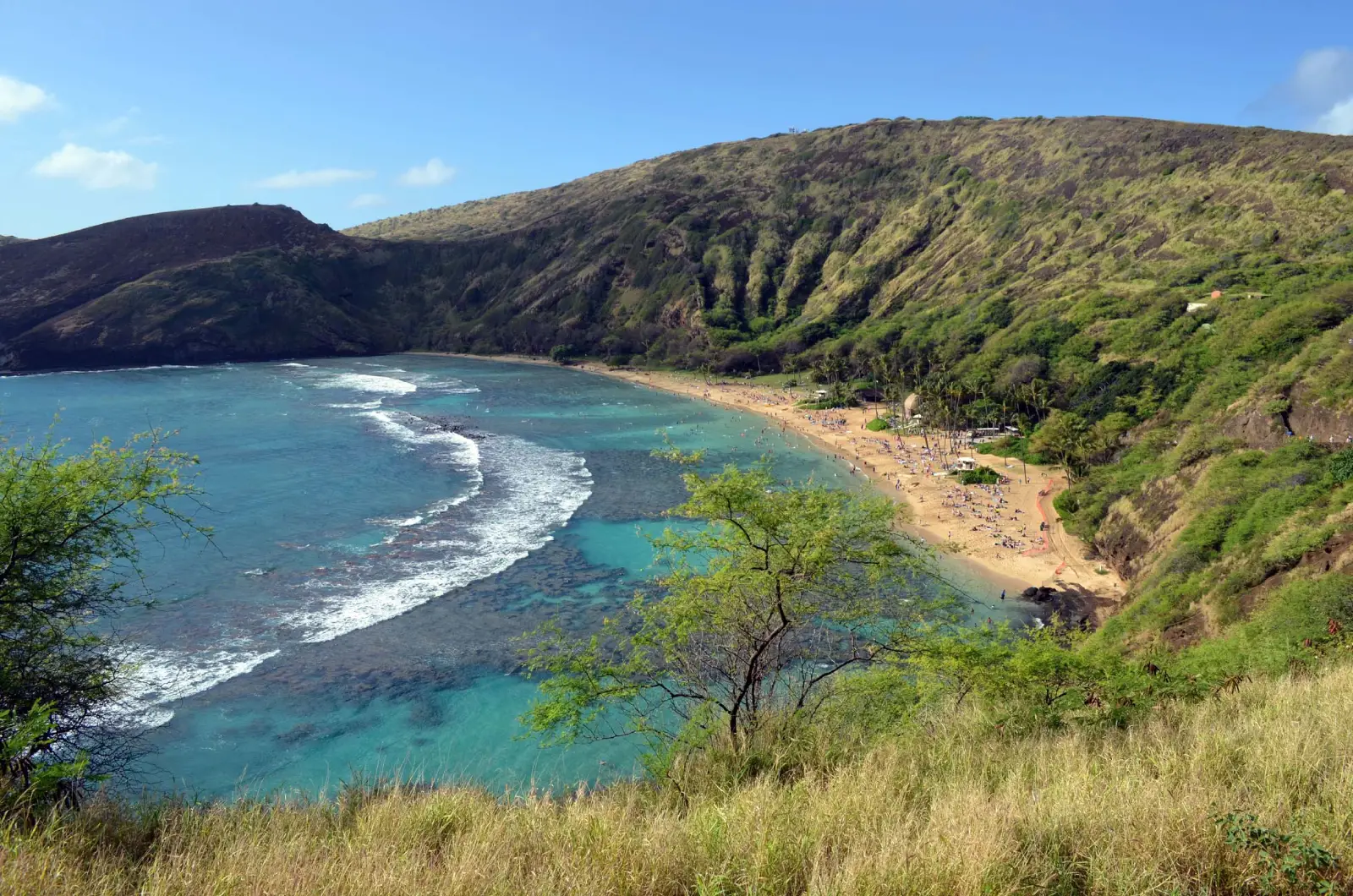
Print this page and check items before departure.
Pack the Essentials
Hanauma Bay is an organized nature preserve, but it is still a beach and ocean visit. The easiest day comes from bringing your own basics instead of assuming every item will be available after you arrive.
Must Bring
- Reservation or entry confirmation
- Photo ID when required
- Swimwear and towel
- Drinking water
- Sun protection
- Payment method
Nice to Have
- Your own snorkel gear
- Rash guard
- Waterproof phone pouch
- Dry clothes
- Simple snacks
- Small beach mat
Leave Behind
- Anything for collecting coral or shells
- Fishing or spearfishing equipment
- Glass containers
- Bulky valuables
- Anything you cannot keep secure
Your Hanauma Bay Checklist
Your checked items are saved in this browser.
Entry Details
Start with the things that can stop your visit before you even reach the beach. Save your reservation or tour confirmation on your phone and take a screenshot so you are not dependent on reception at check-in. Bring the identification needed for any resident or free-entry category you plan to use.
Snorkel Gear
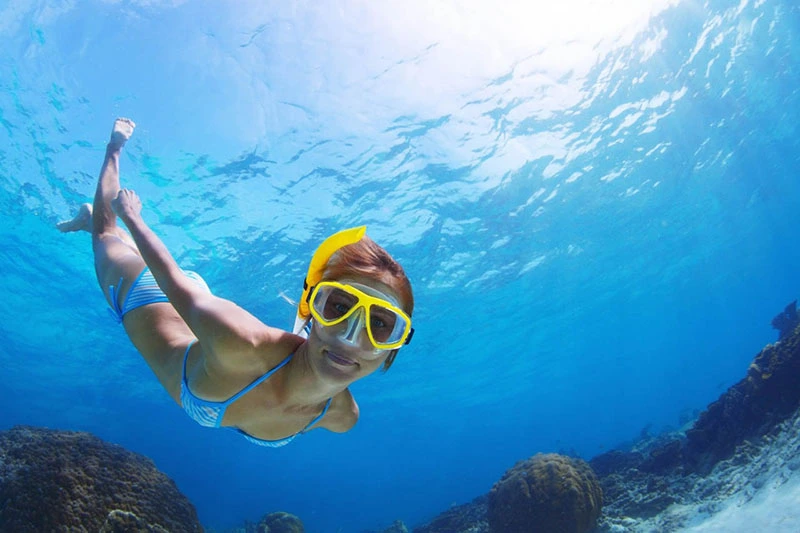
Fit matters more than fancy gear
A mask that seals properly and a snorkel you are comfortable breathing through will make more difference than expensive equipment. If you already own gear that fits well, bringing it removes uncertainty.
Bring fins you can control. The reef is shallow in many areas, so careless kicking can damage coral or scrape you against the bottom.
Rental and concession operations can change. Do not make your entire snorkeling plan depend on an item being available on-site unless you have confirmed it for your visit date.
Sun Protection
Hanauma Bay is exposed to strong tropical sun and shade on the beach can be limited. A rash guard or sun shirt reduces how much sunscreen you need and is often easier to manage after repeated snorkeling sessions.
Food and Water
Current state visitor information lists a snack bar among Hanauma Bay facilities, but concessions can close or change without notice. Bring your own drinking water and a few simple snacks so your visit does not depend on the snack bar being open.
Keep food on land and dispose of trash properly. Feeding or attracting marine life is prohibited inside the Hanauma Bay Marine Life Conservation District.
Phones and Valuables
The easiest security strategy is to bring less. Avoid carrying passports, jewelry, large amounts of cash, expensive electronics, or anything else you do not need at the beach.
Locker availability has changed in past operating periods. Treat secure storage as something to verify, not something to assume.
Keep the vehicle interior clear and take essential valuables with you.
A small waterproof pouch or zip bag is enough for most phones and keys.
Fewer bags make the downhill and uphill trip easier and reduce what you have to watch.
With Children
Families usually need a little more than adult-only groups, but the same rule applies: pack compactly. Bring extra water, snacks, a change of clothes, sun protection, and flotation equipment appropriate for the child if your family uses it.
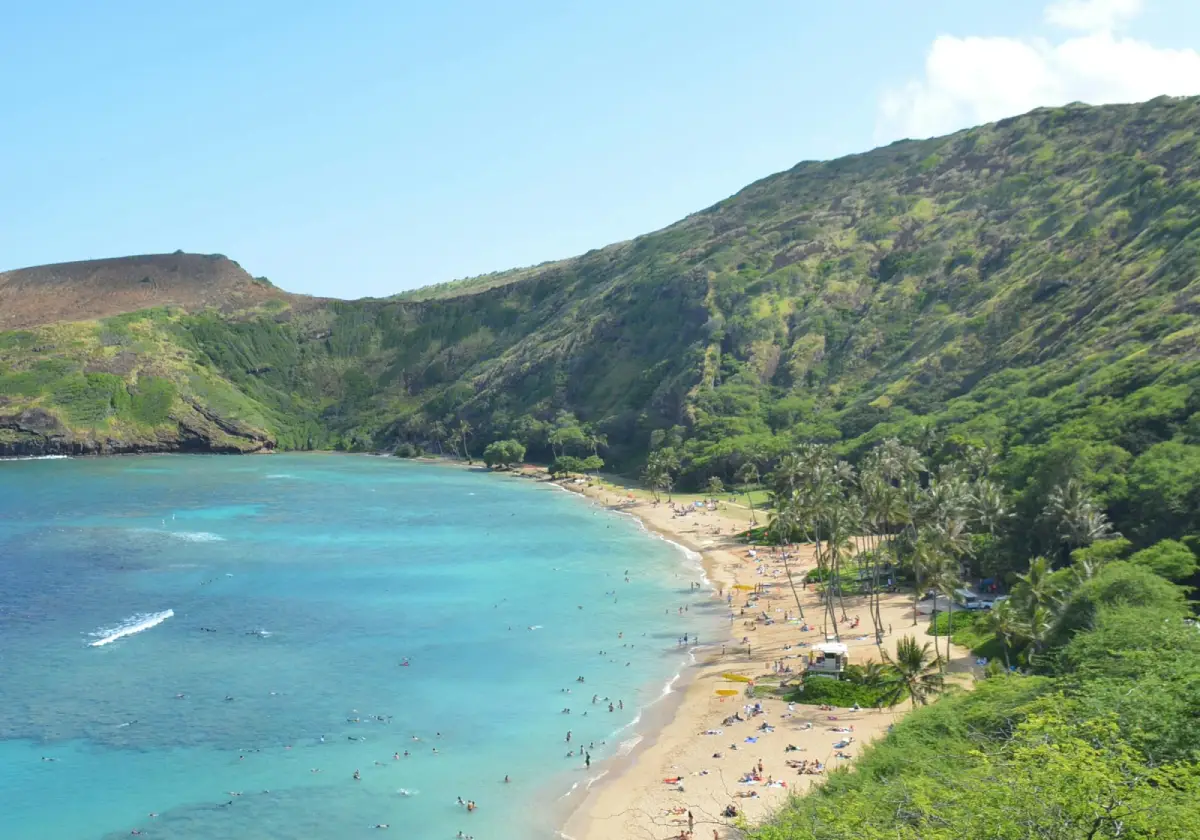
Family extras
Pack an extra towel, rash guard, dry clothes, simple snacks, and a small bag for wet swimwear. Younger or weaker swimmers need close adult supervision at all times, even in shallow water.
Do not use flotation gear as a reason to go farther offshore than the swimmer’s ability.
Leave These Behind
Hanauma Bay is a protected Marine Life Conservation District. The state prohibits taking or injuring marine life, removing or altering sand or coral, feeding marine life, and operating watercraft inside the district.
Fishing and taking marine life are prohibited in the conservation district.
Do not collect coral, sand, marine life, or geological material as souvenirs.
Feeding or attracting marine life changes natural behavior and is prohibited.
The trip between the upper level and beach is easier with a compact setup.
Before You Leave
FAQs
What are the most important things to bring to Hanauma Bay?
Bring your entry confirmation, required ID, swimwear, towel, drinking water, sun protection, a payment method, and snorkeling equipment if you plan to use your own.
Should I bring my own snorkel gear?
Bring your own mask, snorkel, and fins if you already have equipment that fits well. Rental and concession availability can change, so confirm current options before relying on them.
Do I need water shoes?
They are optional. Comfortable sandals or beach footwear are enough for many visitors. Foot protection does not make it acceptable to stand or walk on coral.
Should I bring food?
Bringing a few simple snacks is useful for a half-day visit. Keep food on land, dispose of trash properly, and never feed marine life.
Can I bring a phone into the water?
You can use a waterproof case or pouch if you choose, but protect the phone from sand, saltwater, and accidental loss. Do not let photography distract you from ocean conditions.
What should families with children bring?
Bring extra water, snacks, sun protection, a change of clothes, an extra towel, and any child-appropriate flotation equipment your family normally uses. Children still require close adult supervision.
Source Notes
This guide uses current visitor and conservation information from the Hawai’i Department of Land and Natural Resources. DLNR lists restrooms, showers, emergency/pay phones, and a snack bar among Hanauma Bay facilities; advises avoiding coral contact and sunscreens containing oxybenzone or octinoxate; and prohibits taking marine life, removing sand or coral, feeding wildlife, and operating watercraft in the conservation district. Operations can change, so verify conditions before departure.
DLNR Hanauma Bay visitor information · Hanauma Bay MLCD rules · Hawai’i coral reef guidance